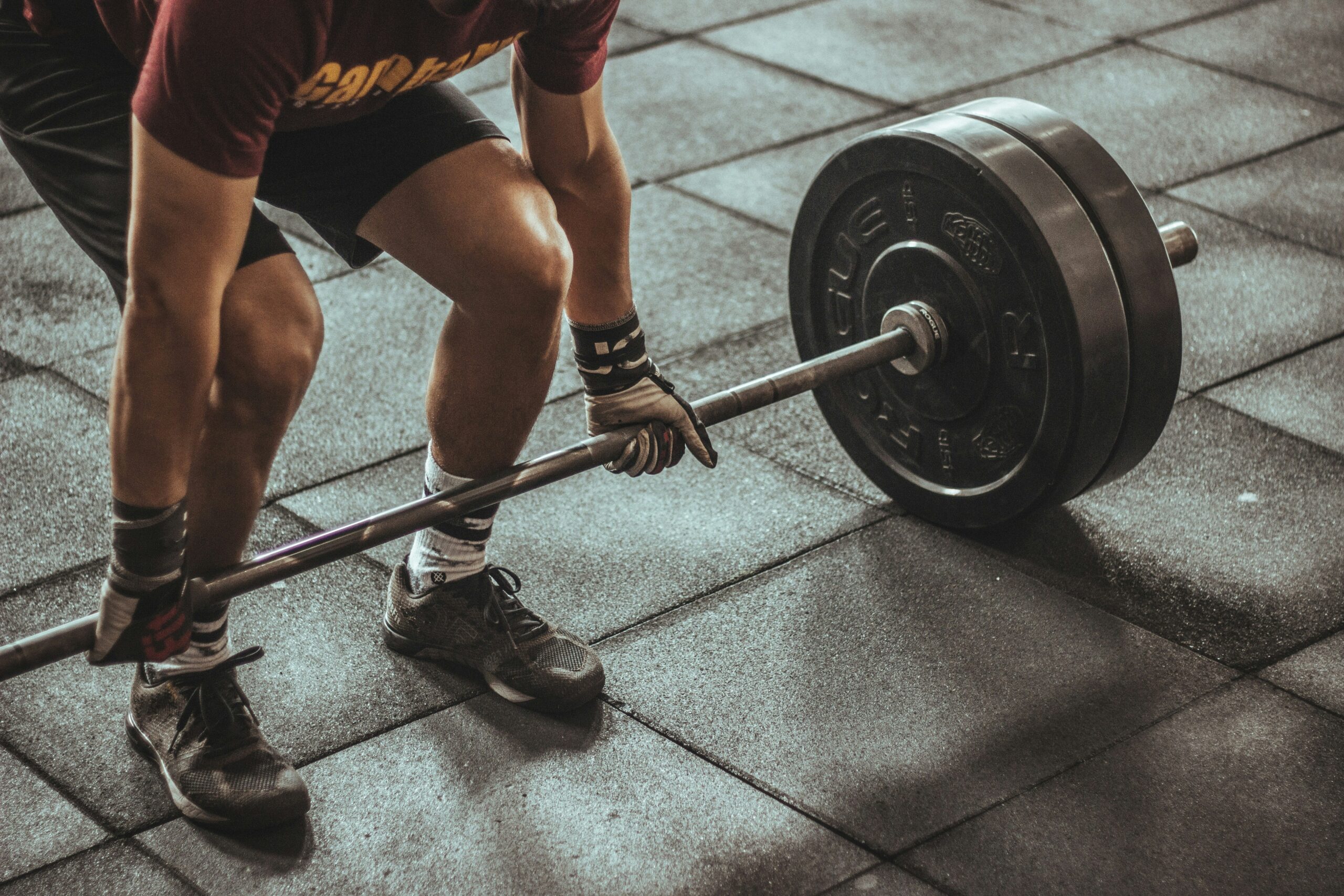
The plan people arrive with is almost always identical. Cut food hard, run four or five mornings a week, add weights later once some of the weight is already off. It sounds like a sensible order of operations. It is backwards.
Weights are not the reward you earn after losing the weight. They are a large part of how you keep it off.
What the treadmill actually buys you
Forty minutes of steady running burns a decent number of calories while you are running. That is the whole transaction. You step off, your metabolism settles back to roughly where it was, and tomorrow you have to do it again to get the same result. Nothing wrong with that. Running is good for your heart, it is free, and in September the path around the base of Mount Royal is about as pleasant as exercise gets in this city.
The problem is what happens when you combine a lot of cardio with a real calorie deficit and nothing else. Your body does not preferentially burn fat because that is what you would prefer. It pulls from fat and from muscle. Over a few months of that, people end up lighter and softer at the same time, with a metabolism that now runs on less than it used to. That is the scenario where someone loses twenty pounds, stops the diet, and puts twenty-five back on.
Muscle is not about getting bigger
This is the part that stops people, usually women, and it is worth being blunt about. Training with heavy weights twice a week while eating in a deficit will not make you bulky. It is very difficult to build significant muscle while eating less than you need. What you are actually doing is protecting the muscle you already have so your body burns the fat instead.
A pound of muscle burns roughly three times what a pound of fat burns at rest. The difference per pound is small. Across ten or fifteen pounds of tissue you managed to keep instead of lose, it adds up to a body that tolerates normal eating without immediately regaining.
There is a second effect that nobody puts on a chart. Lifting gives you a progress signal that has nothing to do with your weight. Your deadlift goes from 95 pounds to 135 over six weeks. That happened. It is recorded, it is yours, and it does not fluctuate three pounds because you ate late.
What I would actually have you do
Two sessions a week is the floor and for most people it is also enough. Three is better if the schedule holds. Full body each time, not a chest day and a leg day, because splitting the week into body parts only makes sense if you are training four or five times.
Build each session around compound lifts and keep the list short:
- A squat or a leg press
- A hinge, so a Romanian deadlift or a hip thrust
- A push, bench or overhead press
- A pull, rows or lat pulldowns
- One loaded carry, a farmer’s walk for thirty to forty seconds
Three sets of each, eight to twelve reps, and the last two reps of every set should be genuinely hard. Rest ninety seconds to two minutes between sets. That last instruction is the one people ignore. If you rush the rest to make it feel more like cardio, you lift less weight, and the weight is the entire point of the session.
Add your cardio around this, not instead of it. Two or three easy sessions, walking counts, and a HIIT block once a week if you want the conditioning. I put yoga in the same week for most people I work with, usually the day after the hardest lifting session, because recovery is what lets the hard days stay hard.
Protein matters more than any other dietary detail here. Somewhere near 1.6 grams per kilogram of bodyweight, spread across the day. Underneath that number the training barely protects anything.
The first six weeks will confuse you
New lifters retain water in the trained muscle and store more glycogen. The scale goes flat or up slightly while your waist measurement goes down. This is normal, it is temporary, and it is the exact point where most people quit and go back to running every morning.
Take a waist measurement instead. Photograph yourself in the same light on the first of every month. Write down the weight on the bar. Those three things together tell you what is happening. One number on a bathroom scale does not.
I have been training people in Montreal since 2021, in person and online, and the ones who lost weight and still have it off years later are, without much exception, the ones who lifted through the whole process rather than adding it at the end.
If you want help putting a two-day plan together around whatever your week already looks like, get in touch.