Most people walk into a first session braced for punishment. They expect burpees until they feel sick, a trainer with a stopwatch, some kind of test they can fail. Then we sit down and I ask about their sleep, and the whole thing deflates in a good way.
The first hour is not a workout. I’ve run first sessions the same basic way since 2021, in condo gyms and parks across Montreal and over video calls, and the structure barely changes. Roughly twenty minutes of talking, twenty of moving, twenty of planning. Nobody leaves sore. That part is deliberate.
The conversation comes first
I ask about injuries, obviously. But the questions that actually shape the program are duller than that. What time do you get up. How many hours a day at a desk. When did you last train consistently, and what ended it.
That last answer matters more than anything else in the hour. If the previous attempt died because the program demanded five gym days a week from someone with two young kids and a commute, then handing them another five-day program would be malpractice. The failure wasn’t discipline. It was math.
I also ask what they hate. Some people would rather do almost anything than run. Others find slow yoga flows genuinely irritating. A program built on movements you resent has a shelf life of about three weeks, so I would rather know on day one.
Five movements, no barbell
Then we move. I call it an assessment, though I try hard not to make it feel like an exam. Five patterns: a bodyweight squat, a hip hinge (usually just pushing the hips back to touch a wall behind them), a push-up from whatever height works, a row with a light dumbbell or a band, and a thirty-second carry with whatever is heavy in the room. Ten minutes, maybe fifteen.
The squat tells me the most. Heels lifting off the floor, knees drifting in, a lower back that rounds near the bottom. None of it is a problem we fix on day one. It just decides where we start. Someone whose ankles won’t allow a squat below parallel doesn’t need a lecture about mobility. They need a small plate under their heels and six weeks of practice.
The assessment flexes to the person. Someone coming from a steady yoga practice moves through it quickly, so we spend the extra time seeing how they handle load instead. Someone coming off years of nothing might stop at three movements, and that’s fine. The point is information, not completion.
What I’m looking for that people don’t expect
Breathing, mostly. Whether someone holds their breath through every rep tells me more about how they’ll handle HIIT down the road than any timed fitness test would.
I’m also watching how they take a correction. Some people want the reasoning behind every cue. Others just want the cue and get overwhelmed by explanation. Both are completely fine, but coaching the first type like the second wastes half of every session we’ll ever have, so I’d rather figure it out now.
And I’m watching effort calibration. New clients almost always pick a pace they can’t hold, then read the inevitable crash as personal failure. Part of the first hour is showing someone what a sustainable effort actually feels like, because most people have never trained at one. It feels too easy. It isn’t.
Leaving with a plan, not a punishment
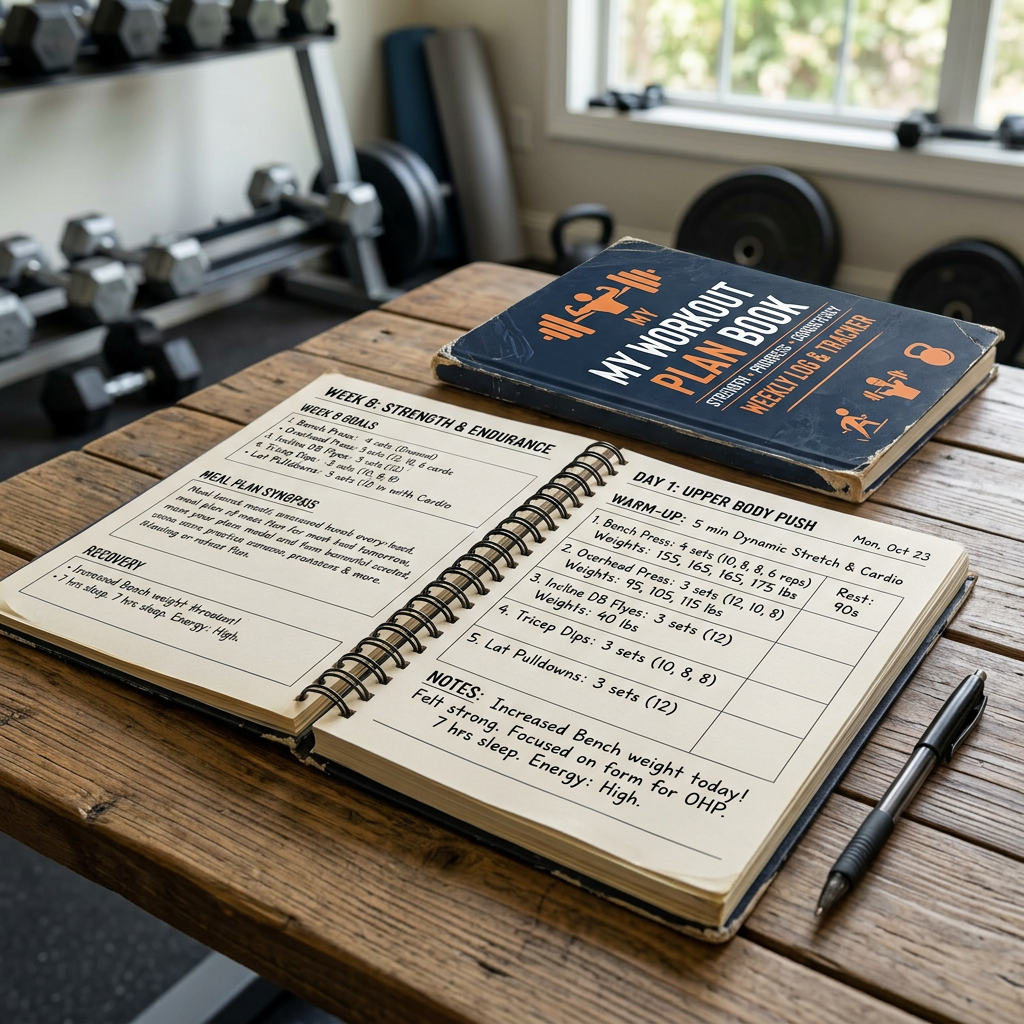
The last stretch of the session is planning, with the calendar open. Not the aspirational week. The real one. If the honest answer is two training sessions plus one twenty-minute block at home, that is the program, and it will beat the imaginary five-day version every time.
In Montreal that plan also has to survive winter. If we’re meeting in October, I’m already asking what happens in February when the sidewalk is ice and the motivation is buried somewhere in a snowbank. A plan that only works in good weather is half a plan.
Strength training usually anchors the week. HIIT gets layered in once movement quality can support it, and yoga slots in wherever recovery is thinnest. The ratio is different for every single person, which is the whole reason to spend the first hour finding out who is actually in front of me.
If you’ve been putting off a first session, in person in Montreal or online, the booking is the hard part. The hour itself is easy.
Leave a Reply